
Blog
Featured






Use the form on the right to contact us.
You can edit the text in this area, and change where the contact form on the right submits to, by entering edit mode using the modes on the bottom right.
123 Street Avenue, City Town, 99999
(123) 555-6789
email@address.com
You can set your address, phone number, email and site description in the settings tab.
Link to read me page with more information.
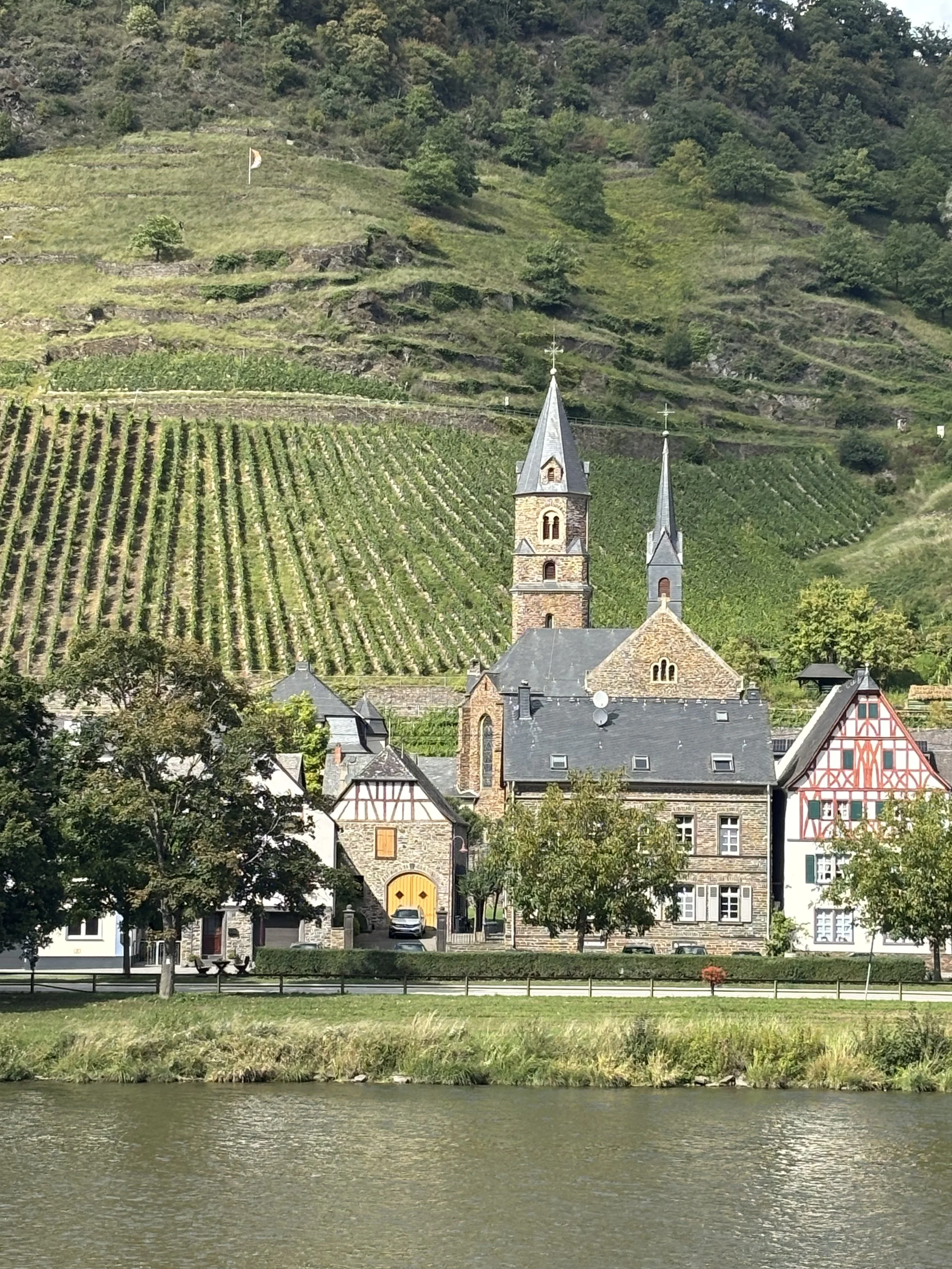
Tucked between France, Germany, and Belgium, Luxembourg may be tiny, but its wines and cuisine are full of character. Along the Moselle River, the country’s wine industry thrives, producing elegant, cool-climate wines that are beloved by locals - and a well-kept secret abroad.
You’ve heard of Oktoberfest - but what about Wurstmarkt??
One of the highlights of our recent Rhine & Moselle River Cruise was an unforgettable detour that I planned for our group - a private excursion to the Bad Dürkheim Wurstmarkt, Germany’s oldest (and the world’s largest!) wine festival.
Dating back over 600 years, the Wurstmarkt (which actually means sausage market) began as a humble local fair held near the Michael’s Chapel on the hillside above the town of Bad Dürkheim. Pilgrims would gather each September to celebrate the feast of St. Michael - and local winegrowers saw a perfect opportunity to sell their new wines. Over time, this small village fair evolved into a grand festival celebrating the region’s winemaking heritage. Today, it attracts more than 600,000 visitors each year who come together to toast with Pfalz wines, enjoy live music, and soak in the warm, convivial spirit that defines German hospitality.
Last week, I had the pleasure of presenting the wines for a Greek wine dinner for the Naples chapter of La Chaîne de Rôtisseurs - and it was one of those evenings that reminds you why wine is so much more than what’s in the glass.
It’s history. It’s culture. It’s place.
And in the case of Greece, it’s over 6,000 years of it.
While the origins of wine trace back to ancient Georgia, it was the Greeks who refined winemaking and wove it into daily life - elevating wine into something deeply tied to philosophy, hospitality, and the table.
What makes Greek wine so fascinating today is that this sense of identity has never been lost. Greece is home to over 300 indigenous grape varieties - many of which exist nowhere else in the world. That means when you drink Greek wine, you’re tasting something truly unique. Not a copy of France or Italy - but something entirely its own.
Wine tourism isn’t declining - it’s evolving.
Two recent industry reports - one global and one U.S.-focused - confirm what I’ve been seeing firsthand with both wine travelers and wineries. The result is a more experience-driven, more personal, and more meaningful way to travel for wine lovers.
Pairing wine with Thanksgiving dinner can be tricky. The mix of flavors and textures - from savory turkey and herb-stuffed sides to sweet potatoes and tangy cranberry sauce - means you need wines that are versatile, balanced, and approachable. While Chardonnay and Pinot Noir are always popular choices, I’d love to share a few other wines to consider this Thanksgiving:
Wine travel is one of life’s greatest pleasures, but packing for it can get tricky. After years of tasting in vineyards, hopping on wine cruises, and lugging bottles through airports, I’ve learned a thing or two about what to bring and what to leave behind. Whether you’re heading to Napa, Tuscany, or somewhere off the beaten path, here are my tried-and-true tips to help you travel smarter and sip happier.
The Czech Republic, aka Czechia, is well known for their exceptional beers. But who would have guessed that Czechia also makes delicious wines?
I just returned from the International Wine Tourism Conference in South Moravia, Czechia. Every year, this symposium brings together international travel professionals in a different wine region around the world to explore the latest industry trends and connect with top travel suppliers. A select few of us were chosen to remain in the region for an in-depth exploration of the wines and hospitality opportunities in Czechia’s largest wine-producing area.
South Moravia is located in the southeast part of the country, just over an hour from Vienna, Austria. In fact, many of the vineyards reside near the Austrian border. This region accounts for the vast majority of the country's wine production. The other major wine region, Bohemia, is located near Prague. The proximity to major cities makes a trip to Czech wine country a no-brainer for anyone visiting Central Europe. In fact, it would make the perfect pre or post river cruise trip!
During the recent grape harvest, I was honored to be one of 12 American travel specialists to attend Destination Vignobles, a professional invite-only tourism event dedicated to French wine and culinary experiences. It was INCREDIBLE!
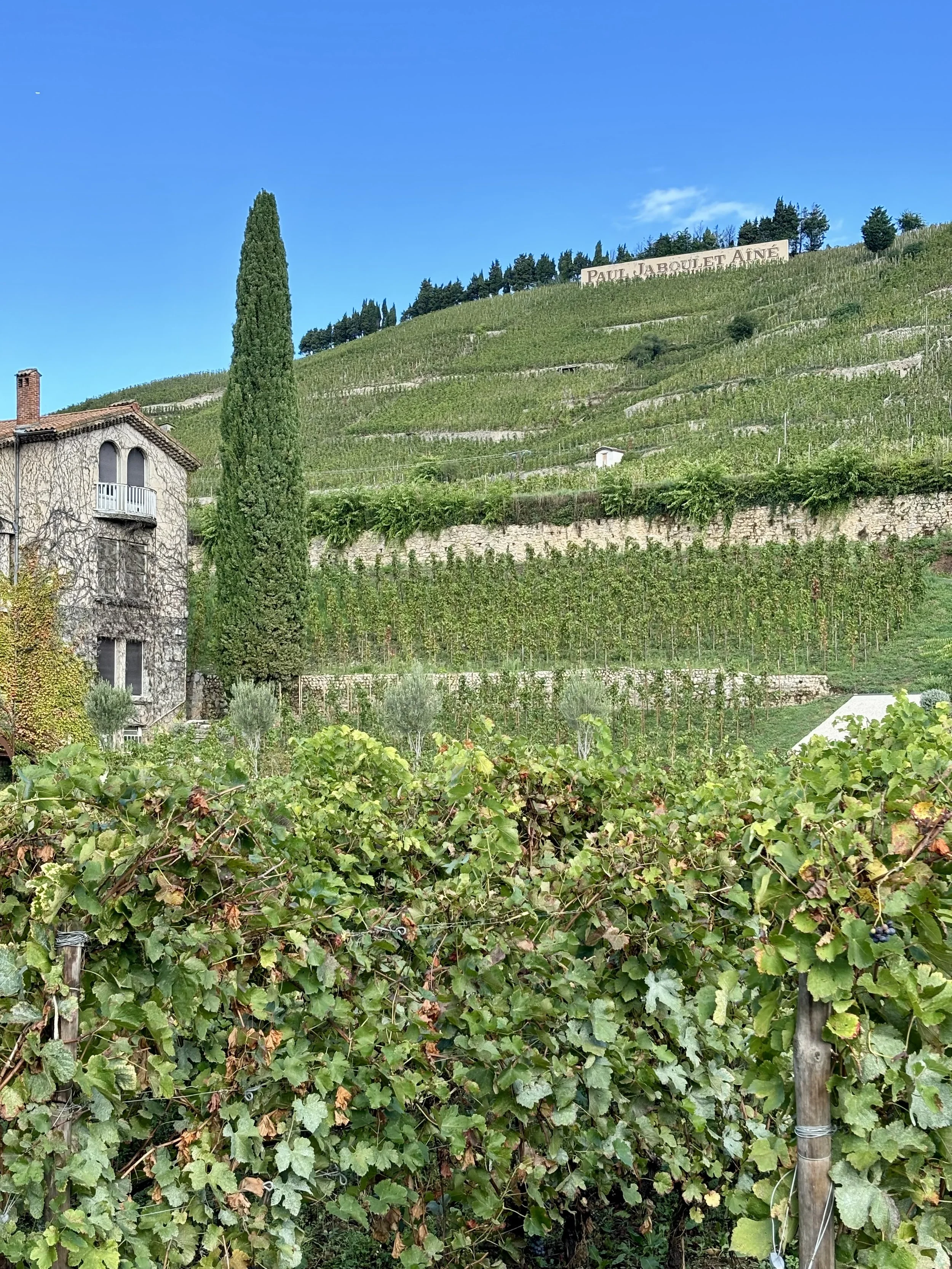
Following an immersive 5-day visit to the Rhône Valley, we gathered in the Loire Valley with our French colleagues to collaborate on creating unforgettable travel experiences around the country. After a week of nonstop touring, tasting, eating and exploring, I have chosen 10 of the best French wine and gastronomic experiences to highlight for you. The first five are listed below; the remaining to follow in Part Two!
Germany may be famous for its beer, but it also is home to a vibrant wine industry. The cool climate, abundant sunshine, unique soils and steep hillsides create an ideal environment for many different grapes.
While Riesling rightfully takes center stage, Germany produces a variety of both red and white wines that offer a wide range of flavors and styles. I think you will be surprised to learn just how many German wines are of excellent quality and value.
In this short article, we'll take a tour through the different types of German red and white wines, uncovering what makes each unique.
A while back, a visit to Napa Valley put me right in the middle of harvest. A winemaker handed clippers our group and sent us into the vineyard to pick grapes. We weren’t exactly going to make a dent in the day’s harvest, but we had a great time trying!
Since then, I’ve experienced crush in wine regions around the world: seeing the lights of harvest crews in the vineyards before dawn, watching grapes arrive on workers’ backs and in overflowing trucks, and tasting grape must straight from a fermentation tank.
And then there’s the smell! If you’ve ever been inside a winery during harvest, you know exactly what I mean. There is nothing quite like the smell of freshly crushed grapes fermenting.
Wine country during harvest is exciting, messy and completely alive. So naturally, it must be the best time to visit.
Well…not necessarily.