Best Time to Visit Wine Country: A Guide to Every Season
Carol Wolniakowski
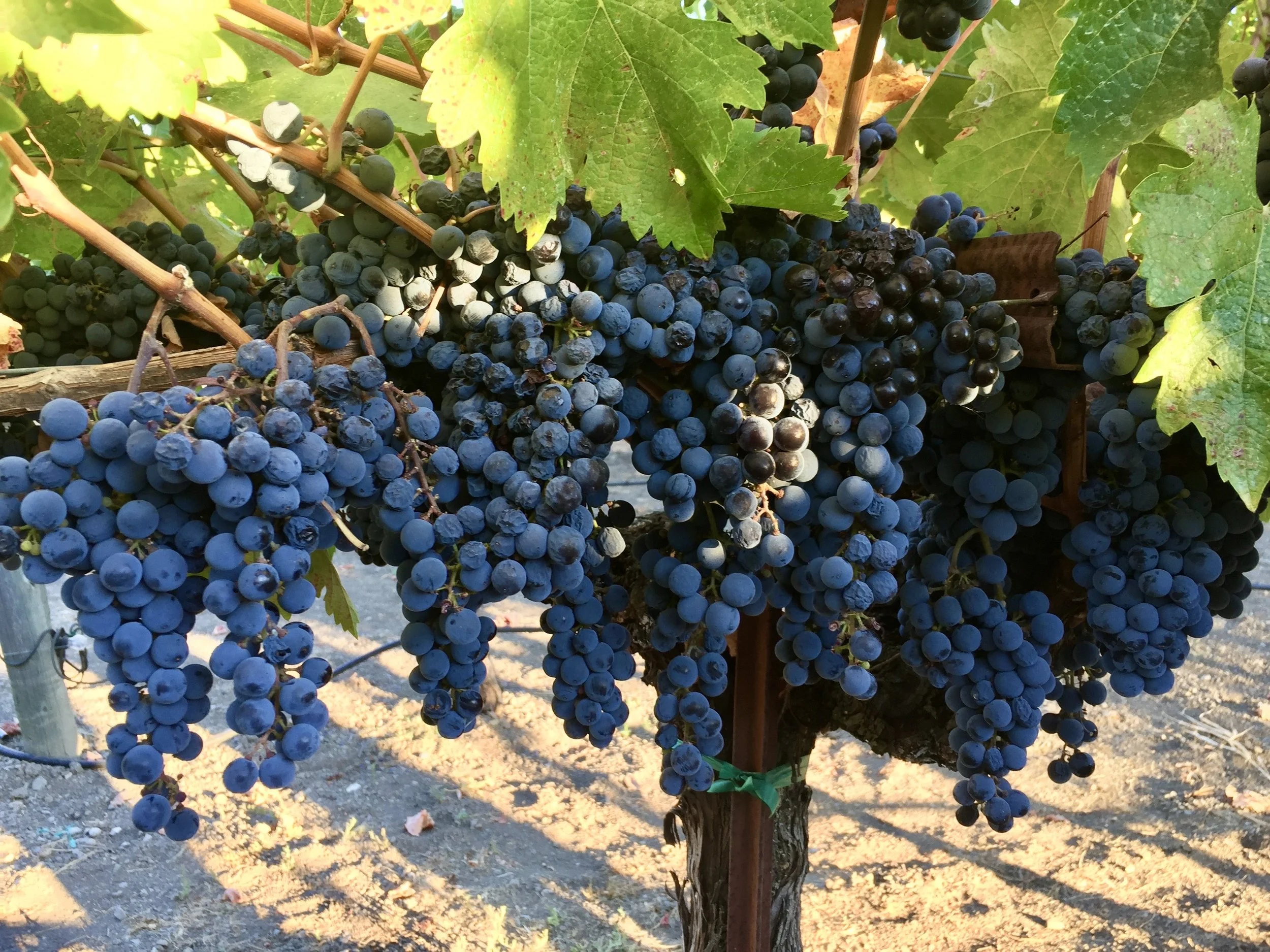
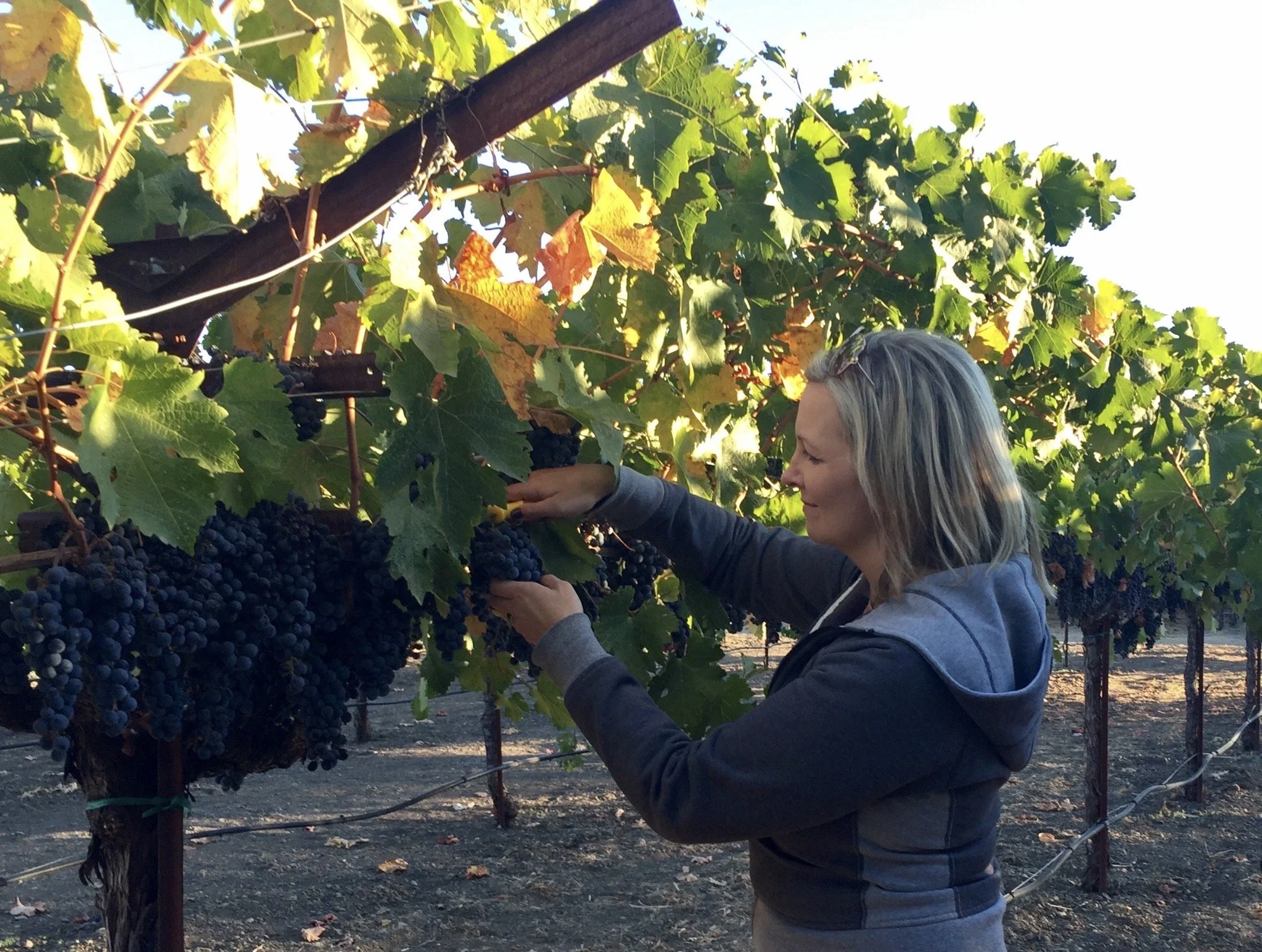
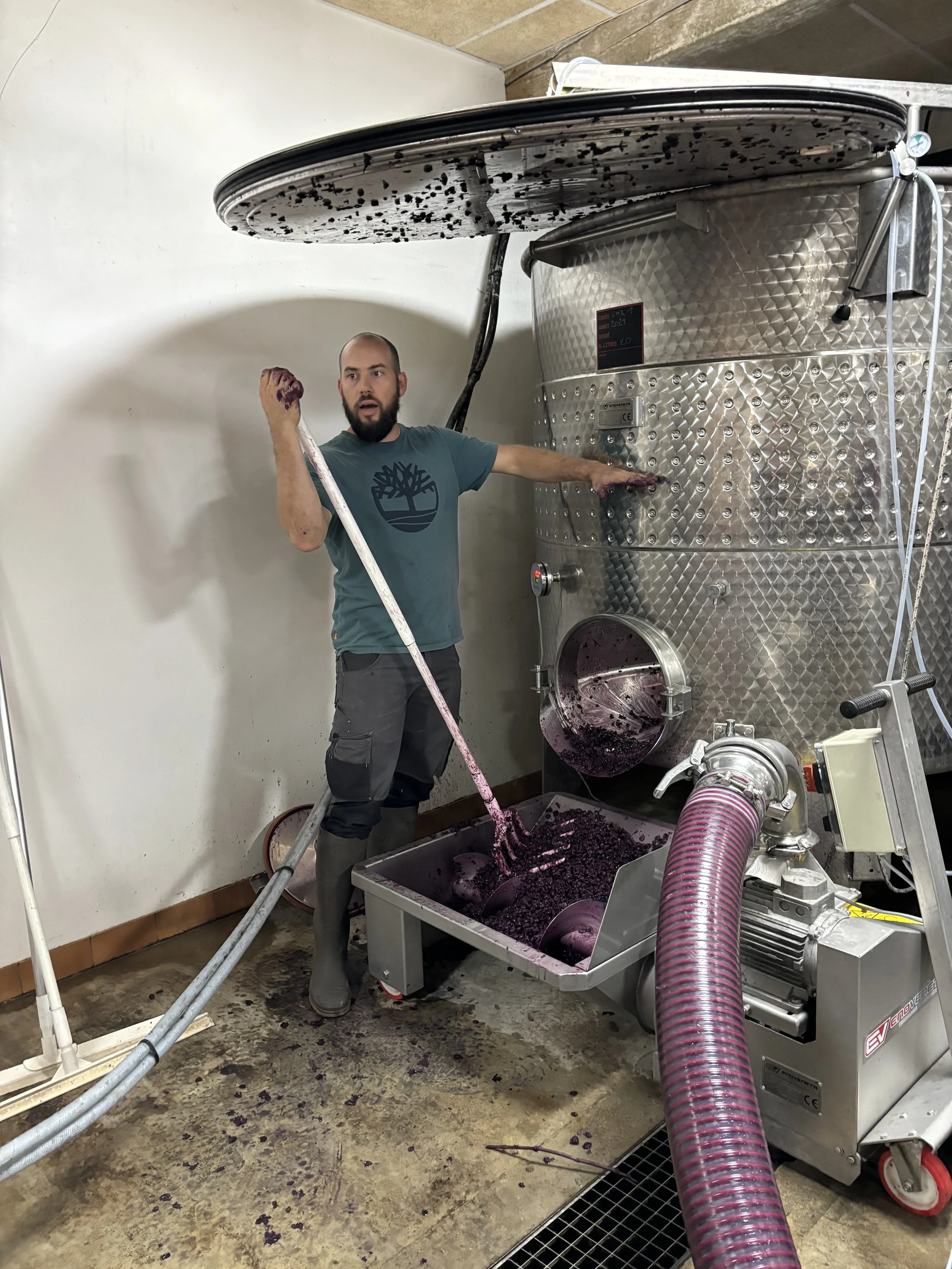
A while back, a visit to Napa Valley put me right in the middle of harvest. A winemaker handed clippers our group and sent us into the vineyard to pick grapes. We weren’t exactly going to make a dent in the day’s harvest, but we had a great time trying!
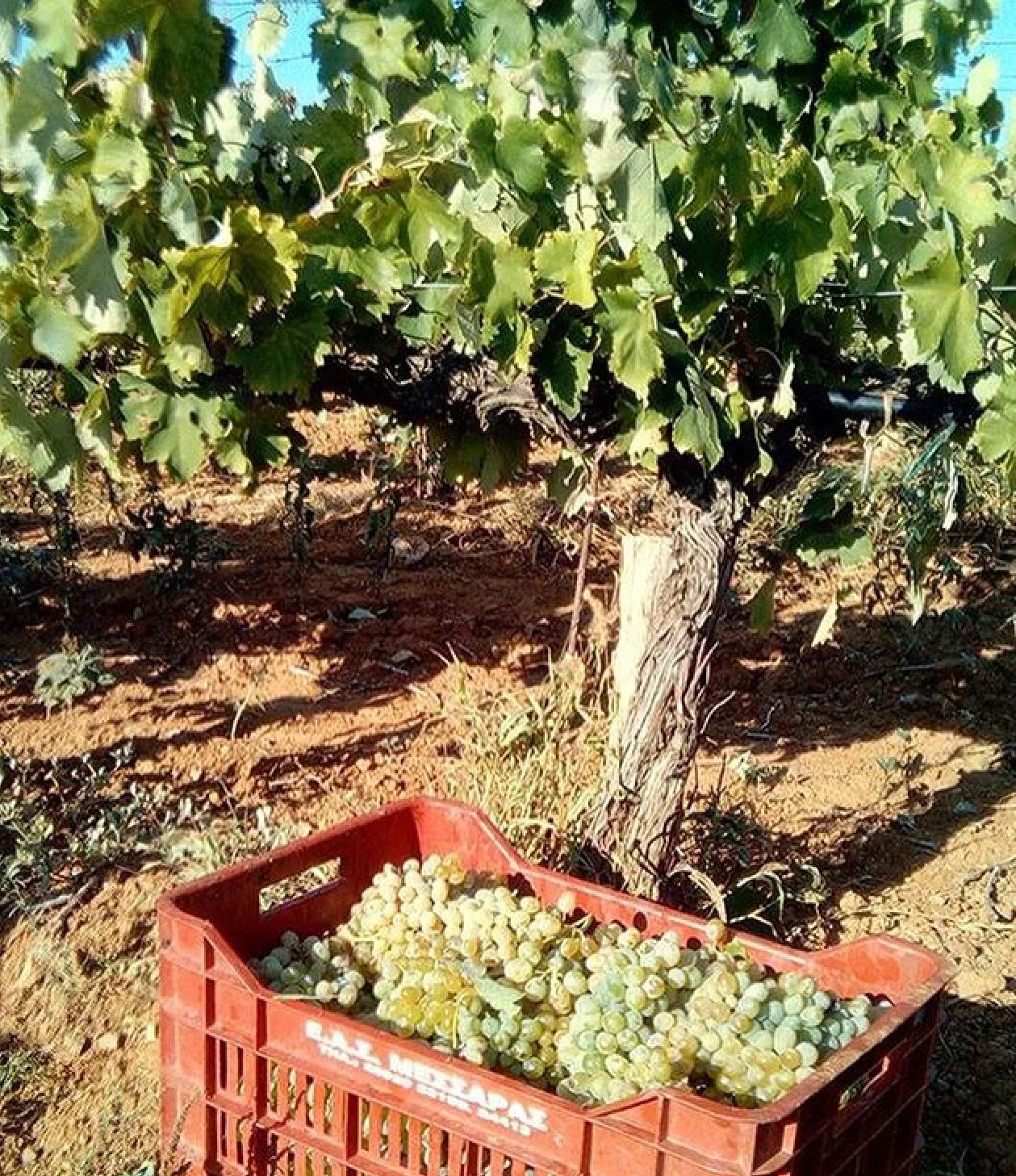
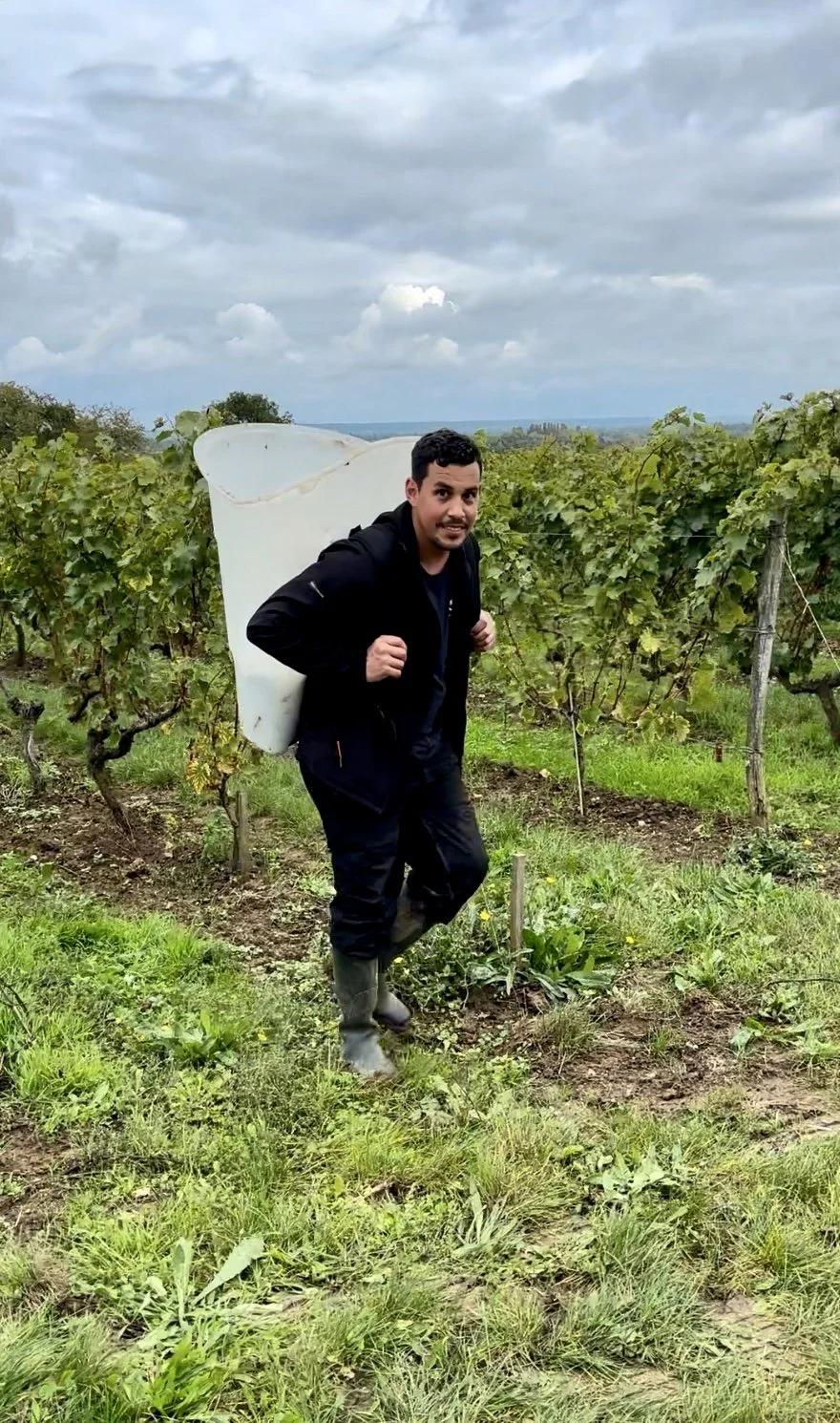
Since then, I’ve experienced crush in wine regions around the world: seeing the lights of harvest crews in the vineyards before dawn, watching grapes arrive on workers’ backs and in overflowing trucks, and tasting grape must straight from a fermentation tank.
And then there’s the smell! If you’ve ever been inside a winery during harvest, you know exactly what I mean. There is nothing quite like the smell of freshly crushed grapes fermenting.
Wine country during harvest is exciting, messy and completely alive. So naturally, it must be the best time to visit.
Well…not necessarily.
The Romance and Reality of Harvest
We tend to picture harvest on a crisp autumn day, surrounded by vineyards turning brilliant shades of gold and red. But these days, harvest doesn’t necessarily wait for fall.
In Bourgogne this year, the first grapes for Crémant de Bourgogne were harvested beginning August 8, with many still wines following later that month, making it one of the earliest harvests in the region’s history.
Seeing all that activity firsthand can be fascinating, but harvest is also the most important and hectic time of year for a winery. In regions with well-developed wine tourism, such as Napa Valley, it’s often possible to visit while the action swirls around you.
That isn’t true everywhere. At a small family-owned domaine, the person who normally welcomes you into the cellar may also be the person who needs to pick the grapes, sort them or make the wine. Harvest isn’t being staged for visitors. It’s their livelihood.
So yes, harvest can be an incredible time to visit. Just don’t assume every winery will have time for you.
Autumn: When Wine Country Changes Color
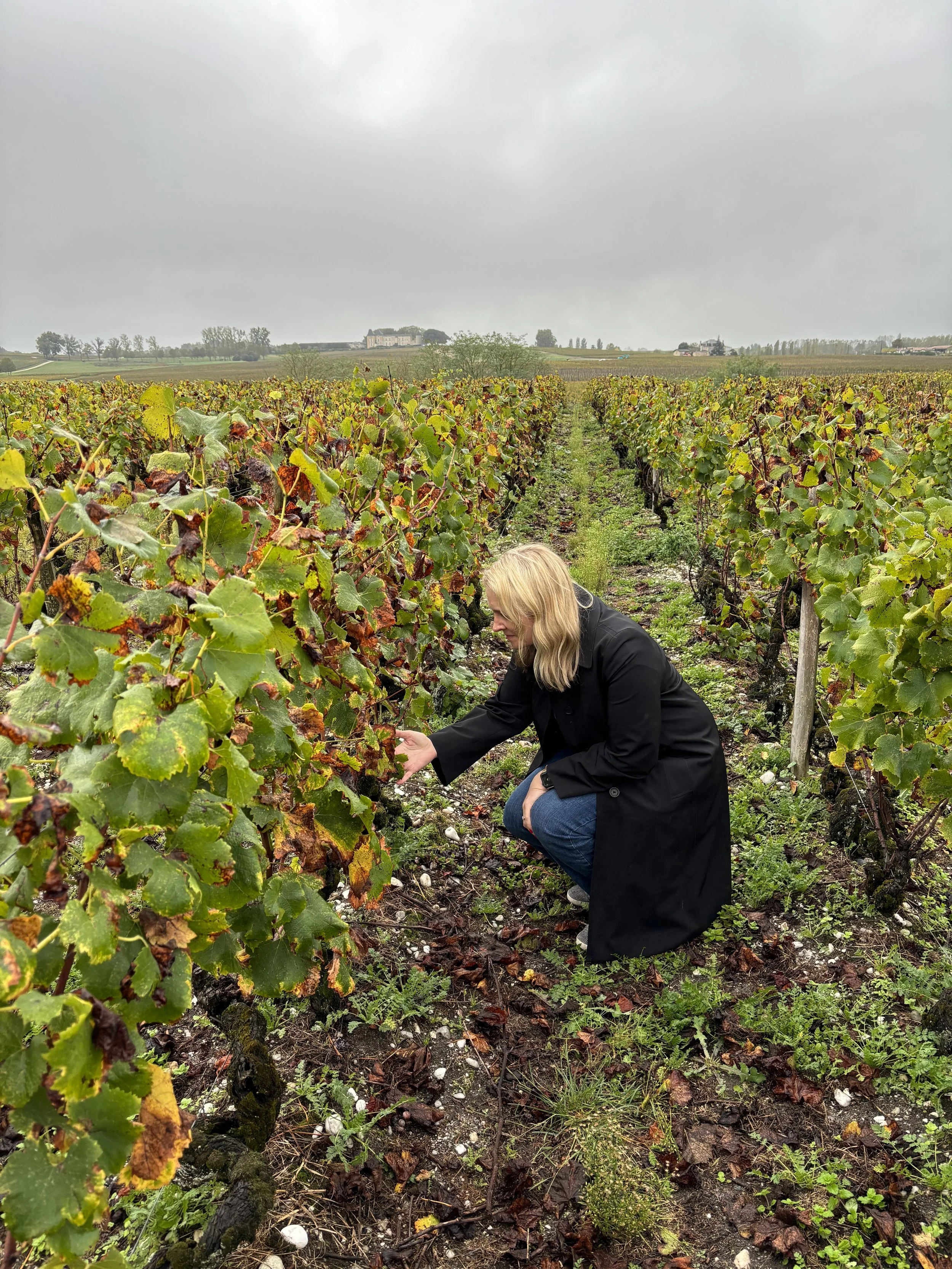
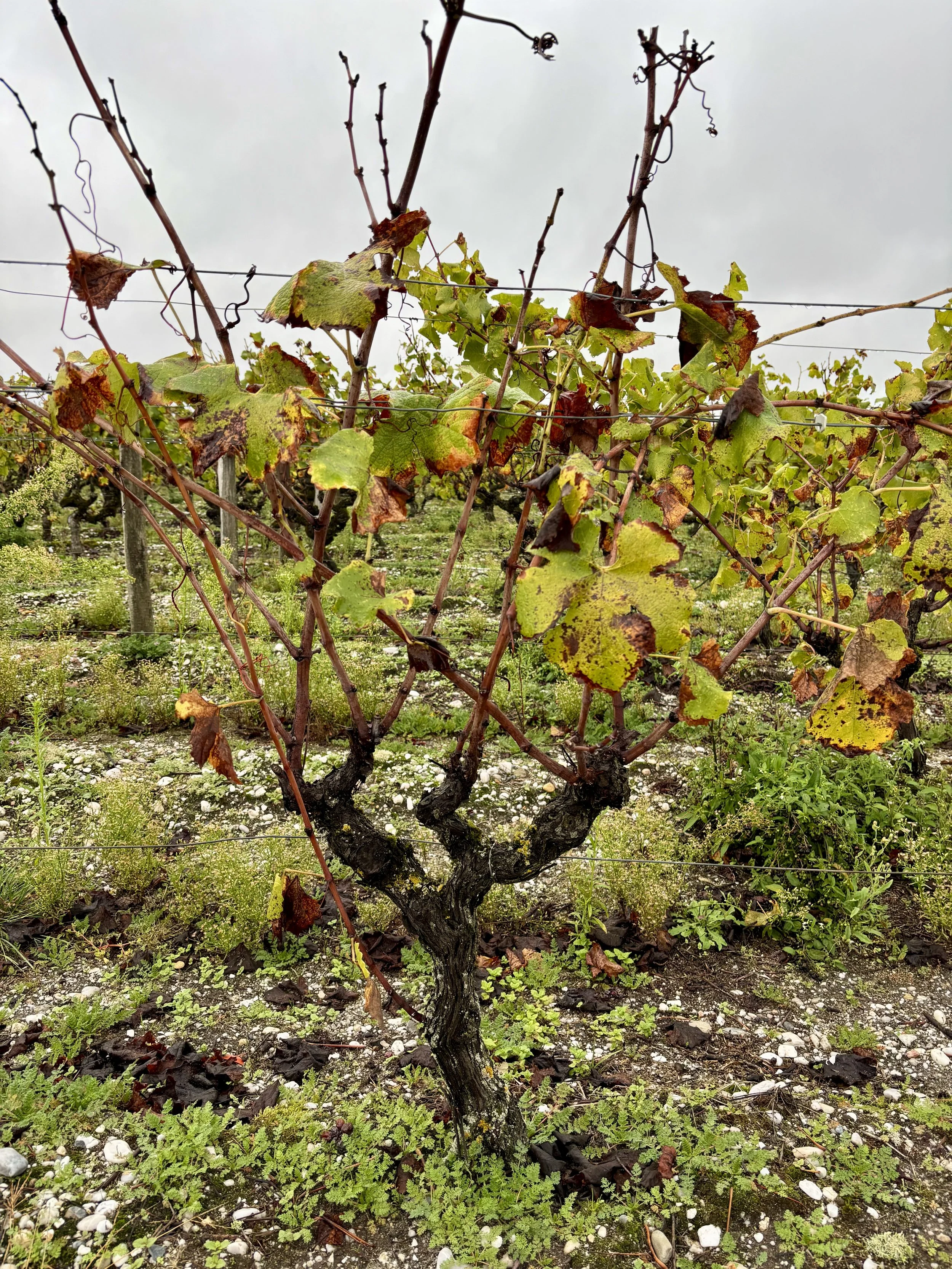
Once the frenzy of harvest subsides, wine country puts on an entirely different show. The vineyards turn brilliant shades of gold, orange and red, the air cools, and markets and restaurant menus shift toward the foods of the season.
Imagine boeuf bourguignon after a cool day among the autumn vineyards of Bourgogne, or fresh white truffles shaved over tajarin in Piemonte. Portugal’s Alentejo offers a completely different fall landscape of vineyards, olive groves and vast stands of cork oak. And when spring arrives here, it’s autumn in Argentina’s Mendoza wine country, where golden vineyards and tree-lined roads sit beneath the dramatic backdrop of the Andes.
For someone who believes food, wine and place are inseparable, and I certainly do, autumn is pretty hard to resist.
The tradeoff? Days are getting shorter, weather becomes less predictable, and popular wine regions can still command peak prices, particularly around major food and wine events.
Winter: Wine Country’s Most Underrated Season
Yes, the vines are bare and dormant. But that doesn’t mean wine country stops being beautiful.
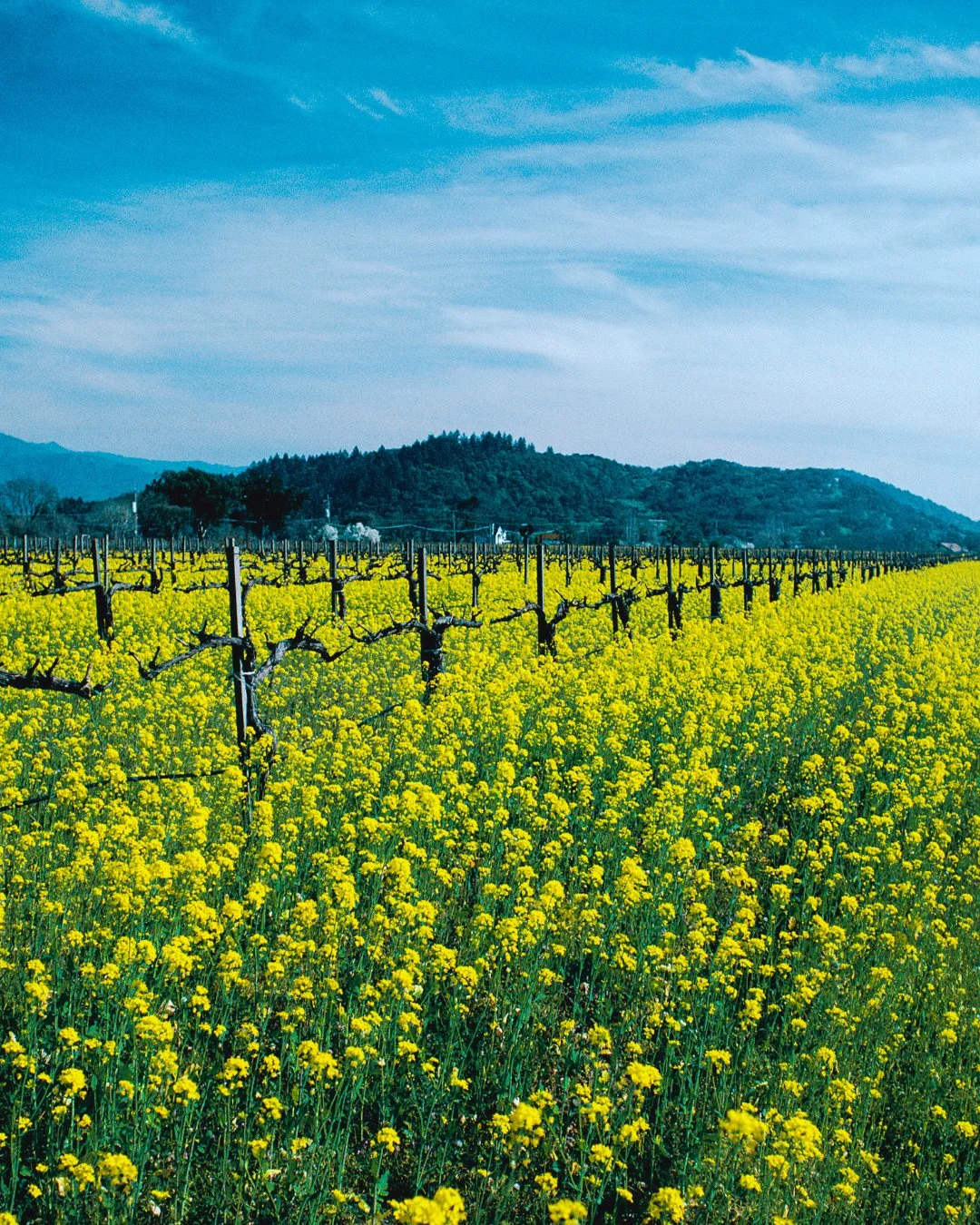
In Napa Valley, winter rains turn the hillsides green and bright yellow mustard flowers carpet the vineyard rows. Across the Atlantic, Alsace and Germany offer winery visits paired with Christmas markets, twinkling village streets and warming regional dishes. Or embrace winter completely. In Canada’s Okanagan Valley, you can spend the morning skiing above snow-covered vineyards and the afternoon tasting local wines.
And then there’s the cozy factor. After a chilly day exploring, there are few things better than settling in beside a crackling fire with a glass of red wine.
The crowds are smaller, the pace is slower and producers may have more time to spend with visitors. On the other hand, days are short, weather can be cold and wet, and some wineries, restaurants and hotels reduce their hours or close seasonally.
Winter wine country is quieter. Sometimes that’s exactly the point.

Spring: Everything Starts Again
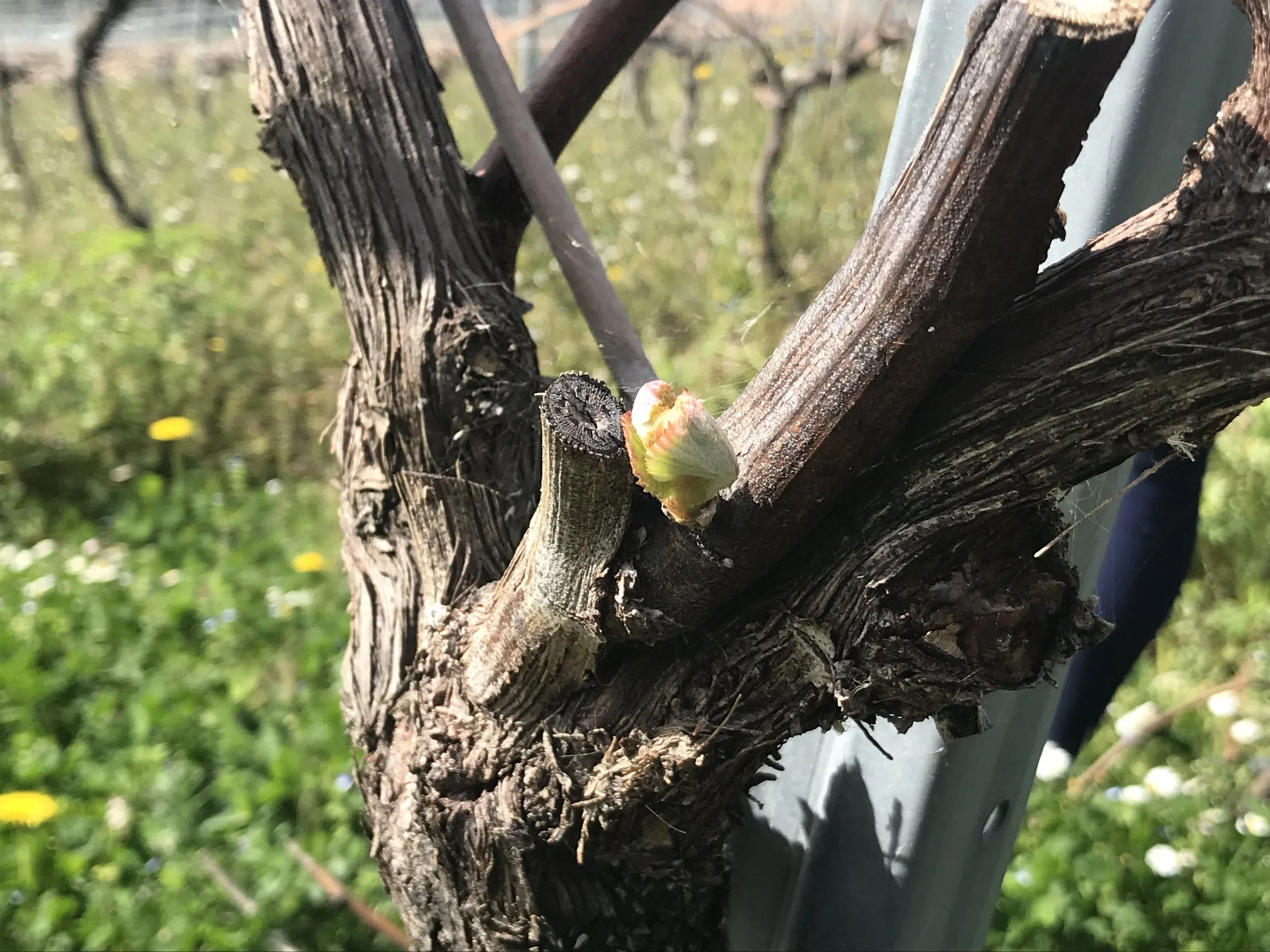
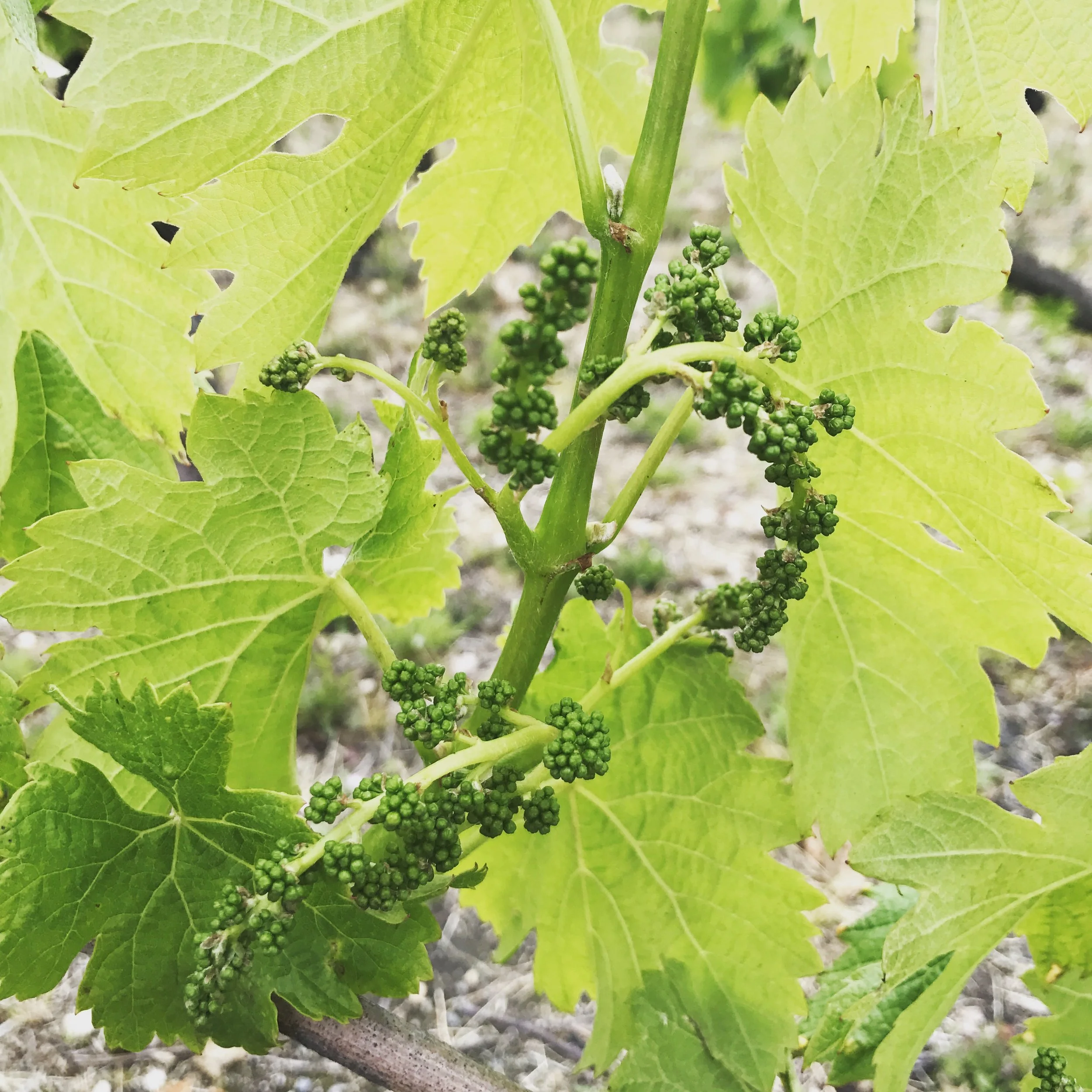
There is something wonderfully optimistic about spring in wine country. Tiny green buds suddenly appear on vines that looked completely lifeless only weeks before. Soon comes flowering, and another vintage is underway. The countryside wakes up, too, with blooming flowers and fruit trees, farmers markets filling with spring produce and restaurants moving tables back outside.
Spring in the Loire Valley brings fresh local goat cheeses that pair beautifully with the region’s white wines. Head to Spain’s Basque Country for a slightly fizzy, bracingly fresh glass of Txakoli, some pintxos and a view of the sea. Meanwhile, Tuscany’s spring markets fill with tender peas, artichokes, asparagus and fava beans as the countryside turns impossibly green.
Spring weather can be unpredictable, though. Arrive too early and those vineyards may still look decidedly wintry; rain and chilly days are always possibilities.
But catch it at the right time and you get green countryside, comfortable temperatures, fewer crowds and that wonderful sense that everything is starting again.
Summer: Take the Wine Outside
By summer, wine country looks the way most of us picture it: lush green vines, growing grape clusters and wonderfully long days. But some of the best summer wine experiences happen far beyond the tasting room.
Imagine summer in Provence, with lavender fields in bloom, colorful village markets and long lunches in shady village squares. Along Croatia’s Dalmatian Coast, trade the road for the water, combining indigenous wines and island vineyards with a sailing or yacht itinerary. Or spend a day on the Aegean in the Greek islands and end it with chilled Assyrtiko, fresh seafood and dinner overlooking Santorini’s caldera.
That’s what I love about wine travel in summer. The wine becomes part of a much bigger experience: vineyard dinners, outdoor concerts, produce markets, poolside rosé and those wonderfully long evenings when dinner seems to last forever.
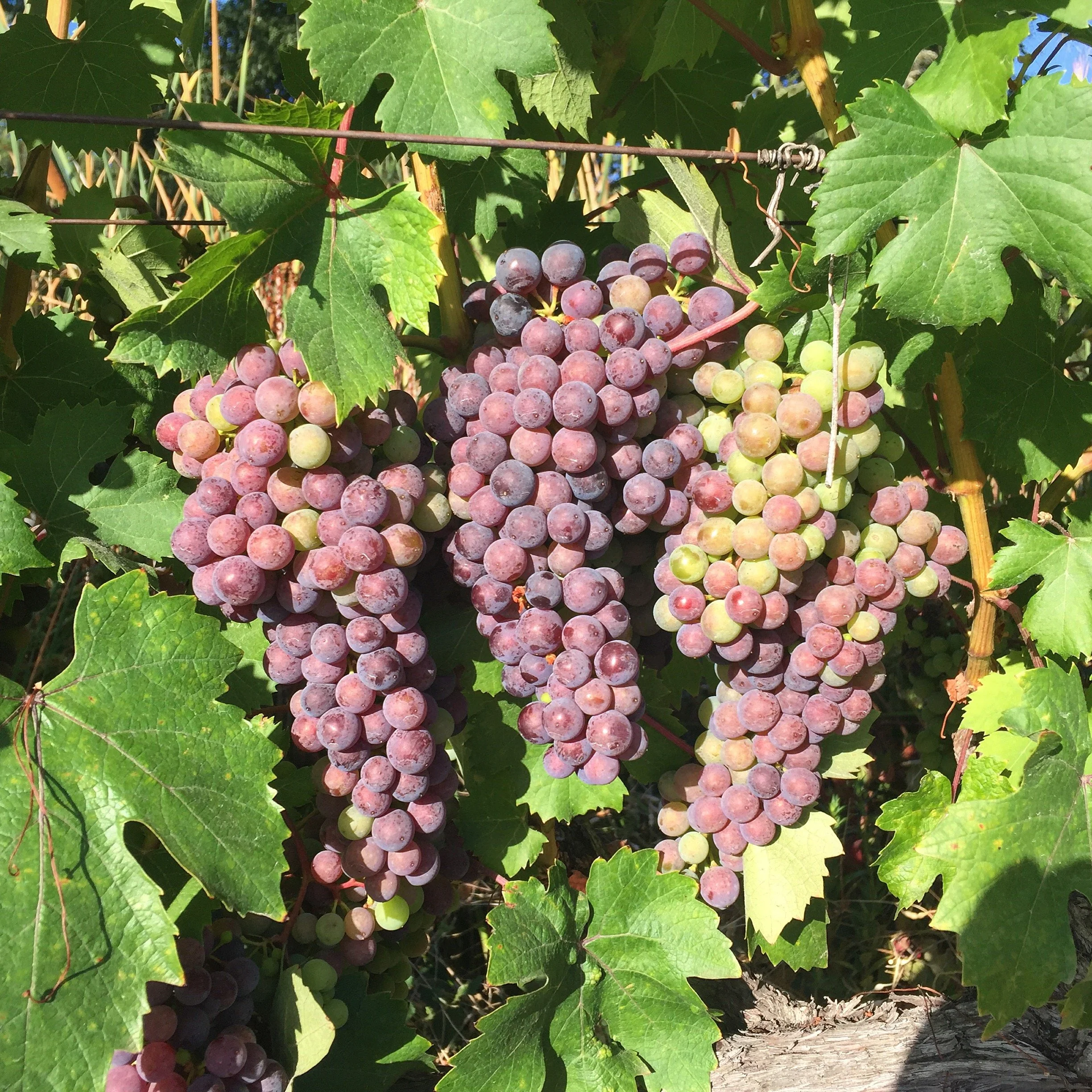
The tradeoffs are equally obvious. Summer means crowds, higher prices and, in some wine regions, serious heat. And increasingly, summer may bring something else: harvest itself.
So, When Should You Go?
After years of traveling through wine regions, I’ve come to the conclusion that there really isn’t a bad time to go. Every season changes the landscape, the food and the experience. And for me, that’s another reason to keep going back. 🍷
Later this month, I’ll be heading back to France, traveling through Bourgogne, the Rhône Valley, Provence and Cognac. I’ll be visiting producers, meeting with wine and tourism professionals, tasting plenty of wine (of course!) and searching out the people, places and experiences that make each region special.
I’ll be sharing what I discover along the way, so follow along on Instagram @CuveeWineTravel for a peek behind the scenes. I can’t wait to take you along for the journey!
Cheers,
Carol
Join me for more wine, food and travel inspiration, with stories and discoveries from wine regions around the world delivered straight to your inbox. Click here to join.