How Wine Travel Is Changing - A New Era for Wine Lovers 🍷
Carol Wolniakowski
Wine tourism isn’t declining - it’s evolving.
Two recent industry reports - one global and one U.S.-focused - confirm what I’ve been seeing firsthand with both wine travelers and wineries. The result is a more experience-driven, more personal, and more meaningful way to travel for wine lovers.
Most winery visitors aren’t “wine geeks”
A major global study from Geisenheim University in Germany (one of the world’s leading wine research institutes) found something surprising: Only about 6% of winery visitors are true wine obsessives.
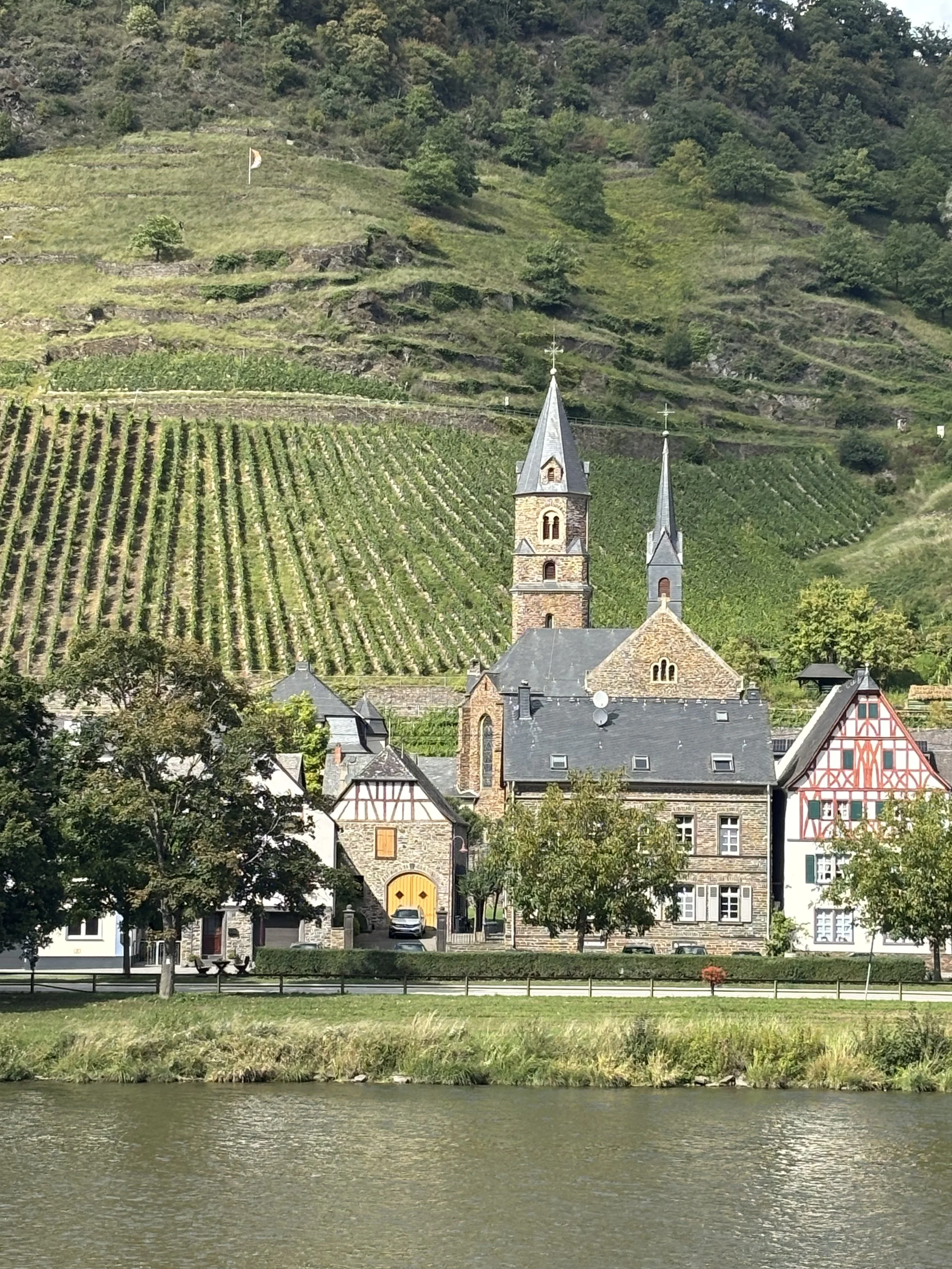
The vast majority of people visit wineries for: beautiful settings, great food and wine together, stories and history, learning something new, and feeling welcomed and connected. In other words, wine tourism today is really about how it feels to be there, not just what’s in the glass.
What today’s wine travelers want
Across the world, wineries are seeing growing demand for:
approachable wine education
culinary experiences
sustainability and authenticity
personalized, small-group visits
storytelling
the people behind the wine
Travelers want to understand where the wine comes from, meet the people who make it, and enjoy it in a setting that feels special and meaningful.
A reset in how people travel for wine
At the same time, a recent Wine Enthusiast feature reported that many U.S. wine regions have seen lower foot traffic compared to pre-pandemic levels, while the cost of visiting wine country - tastings, hotels, dining, and transportation - has risen steadily. Interestingly, the article also highlighted that smaller, experience-driven wineries are often outperforming larger producers, especially those offering unique hospitality: vineyard walks, culinary events, educational tastings, and creative activities that go beyond the traditional tasting room (like goat yoga in the vineyard!). And internationally, wine travel - especially to Europe - continues to grow, as travelers seek immersive, cultural experiences that feel both memorable and worthwhile. The takeaway is not that people don’t want to travel for wine. It's that they want the experience to feel truly worth the time and investment.
Wine tourism is now a major part of the wine world
Globally, wine tourism now represents about 25% of winery revenue, including tastings, experiences, and wine purchased during visits. That’s why wineries everywhere are investing more in hospitality and guest experience, online booking and digital communication, partnerships with chefs, bakers, farmers, and artisans, and experiences that feel personal. Wine tourism has become one of the most important ways wineries connect with their guests and build long-term relationships.
Younger travelers are shaping the future
Visitors aged 25–44 are increasing worldwide, and they’re especially drawn to sustainability, local food, immersive experiences, authentic stories, and beautiful settings. This is pushing wineries to think more holistically - not just about wine, but about the entire guest experience.
The most important takeaway
The researchers summarized it perfectly: “Focus not just on the wine, but on the experience and atmosphere of the winery.” That is the future of wine travel.
Why this matters for you (and for Cuvée)
This is exactly why I’m so intentional about where I send my clients. Some wineries naturally shine at warm, personal hospitality, stunning settings, and a true sense of place. My role is to connect you with those places - whether they’re in Napa, Champagne, Piedmont, Rioja, or beyond - and design wine journeys that feel curated, not crowded. As wine travel becomes more experience-driven, having the right guidance, relationships, and insider access makes all the difference. And that’s what I love doing for you. 🍷